Thinking Outside the Box
Thinking Outside the Box
Thinking Outside the Box

What does it look like to reimagine existing models to transform the justice space?
What does it look like to reimagine existing models to transform the justice space?
What does it look like to reimagine existing models to transform the justice space?
The Homecoming Project
The Homecoming Project
The Homecoming Project
Leveraging available living spaces to end the prison-to-homelessness pipeline.
Leveraging available living spaces to end the prison-to-homelessness pipeline.
Leveraging available living spaces to end the prison-to-homelessness pipeline.
200+
200+
200+
people placed in host homes
people placed in host homes
people placed in host homes
100%
100%
100%
left the program with housing
left the program with housing
left the program with housing
0%
0%
0%
returned
to prison
returned
to prison
returned
to prison
Formerly incarcerated people are nearly 10x more likely to become homeless than the general public.
Formerly incarcerated people are nearly 10x more likely to become homeless than the general public.
Homeowners might not realize they have a role to play in solving the prison-to-homelessness pipeline, but through this groundbreaking initiative — inspired by sharing economy models like Airbnb — we’ve mobilized local homeowners to provide safe and supportive living spaces for hundreds of formerly incarcerated people.
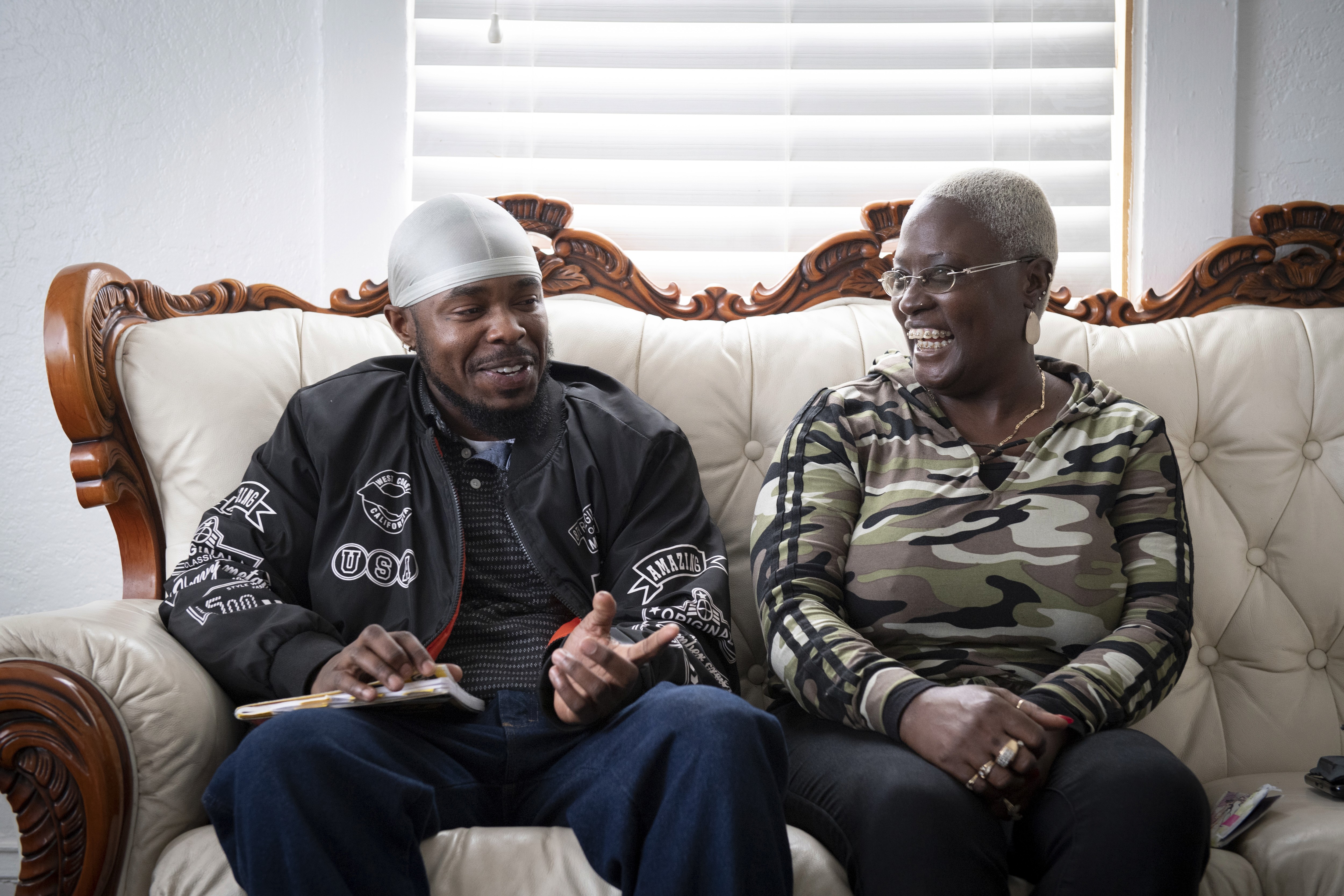
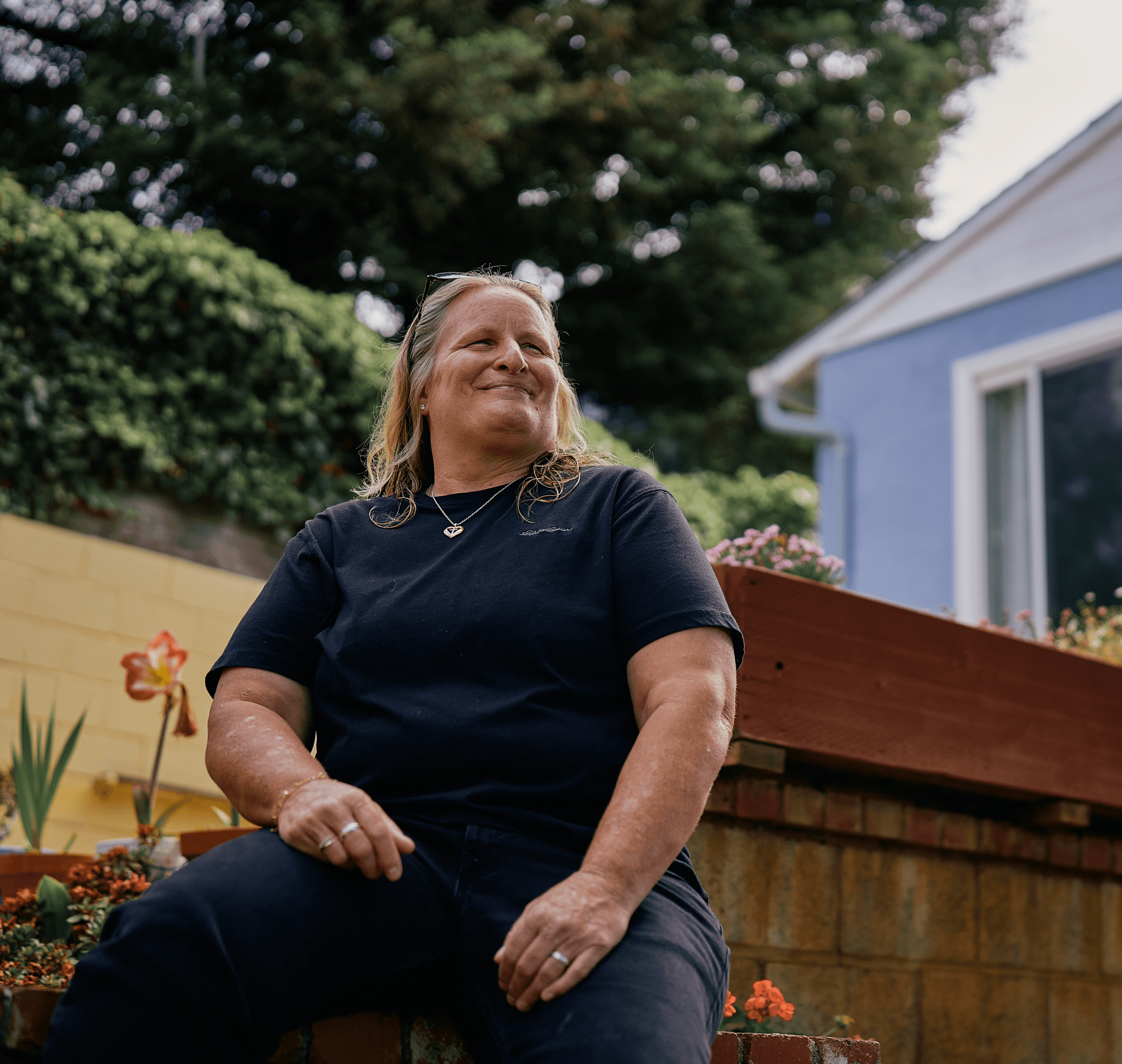
“Our kids have said: ‘We want Joey to live here forever.’”
“Our kids have said: ‘We want Joey to live here forever.’”
– Qian, Homecoming Project Host
– Qian, Homecoming Project Host
Since 2018, we’ve reinvested more than $1.2 million into communities through daily host stipends, and over $130,000 in direct support to participants.
Since 2018, we’ve reinvested more than $1.2 million into communities through daily host stipends, and over $130,000 in direct support to participants.


Every year, 600,000 people are released from prisons across the United States, many of whom have no established housing. Before formerly incarcerated people can find jobs, address health problems, or learn new skills, they first need a safe and stable place to live. Unfortunately, the odds are stacked against them: they face a market where affordable housing is scarce or even off-limits to someone with a criminal record.
Every year, 600,000 people are released from prisons across the United States, many of whom have no established housing. Before formerly incarcerated people can find jobs, address health problems, or learn new skills, they first need a safe and stable place to live. Unfortunately, the odds are stacked against them: they face a market where affordable housing is scarce or even off-limits to someone with a criminal record.
At the same time, there are 113 million spare bedrooms in the United States today, indicating massive scalable potential for shared economy housing models.
At the same time, there are 113 million spare bedrooms in the United States today, indicating massive scalable potential for shared economy housing models.
The Homecoming Project provides subsidies to homeowners and eligible renters in exchange for opening a spare bedroom to a person returning from prison for a period of six months. Since 2018, we’ve made more than 200 housing matches in the Bay Area and Los Angeles. Many of our hosts and participants have become like family, and 100% of participants have left the program with housing lined up.
The Homecoming Project provides subsidies to homeowners and eligible renters in exchange for opening a spare bedroom to a person returning from prison for a period of six months. Since 2018, we’ve made more than 200 housing matches in the Bay Area and Los Angeles. Many of our hosts and participants have become like family, and 100% of participants have left the program with housing lined up.



The Inside Impact Fund
The Inside Impact Fund
The Inside Impact Fund
Small-scale grants to bring good ideas to life in prison.
Small-scale grants to bring good ideas to life in prison.
Small-scale grants to bring good ideas to life in prison.
18
18
18
institutions served
institutions served
institutions served
500+
500+
500+
items
delivered
items
delivered
items
delivered
95
95
95
projects
supported
projects
supported
projects
supported
Too often, the only thing preventing a great idea from moving forward in prison is the lack of a few low-cost items.
Too often, the only thing preventing a great idea from moving forward in prison is the lack of a few low-cost items.

Photo Credit: Peter Merts
Photo Credit: Peter Merts
Since 2024, we’ve reinvested ~$50,000 into projects started in prisons.
Since 2024, we’ve reinvested ~$50,000 into projects started in prisons.
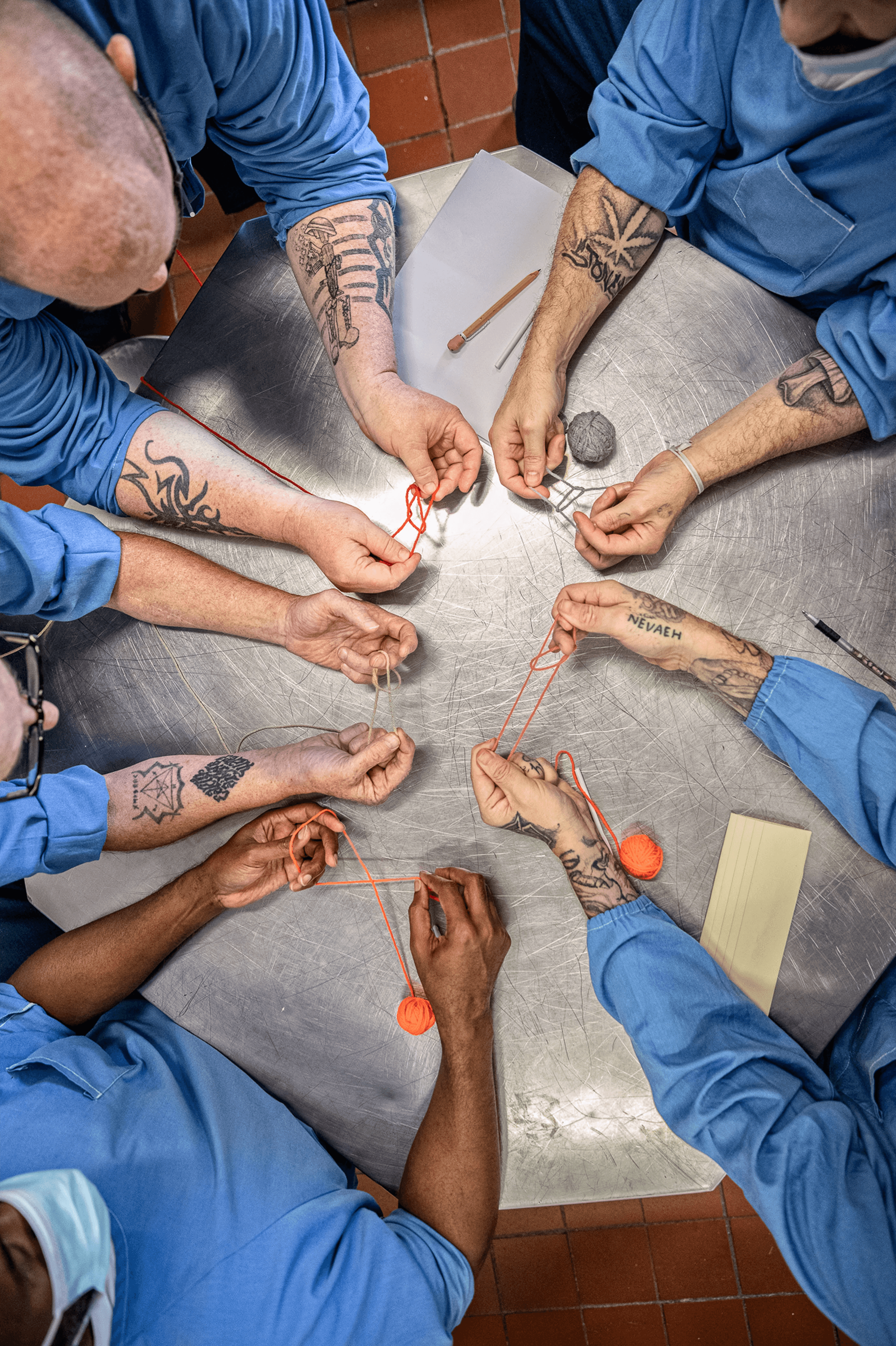
Photo Credit: Peter Merts
Photo Credit: Peter Merts
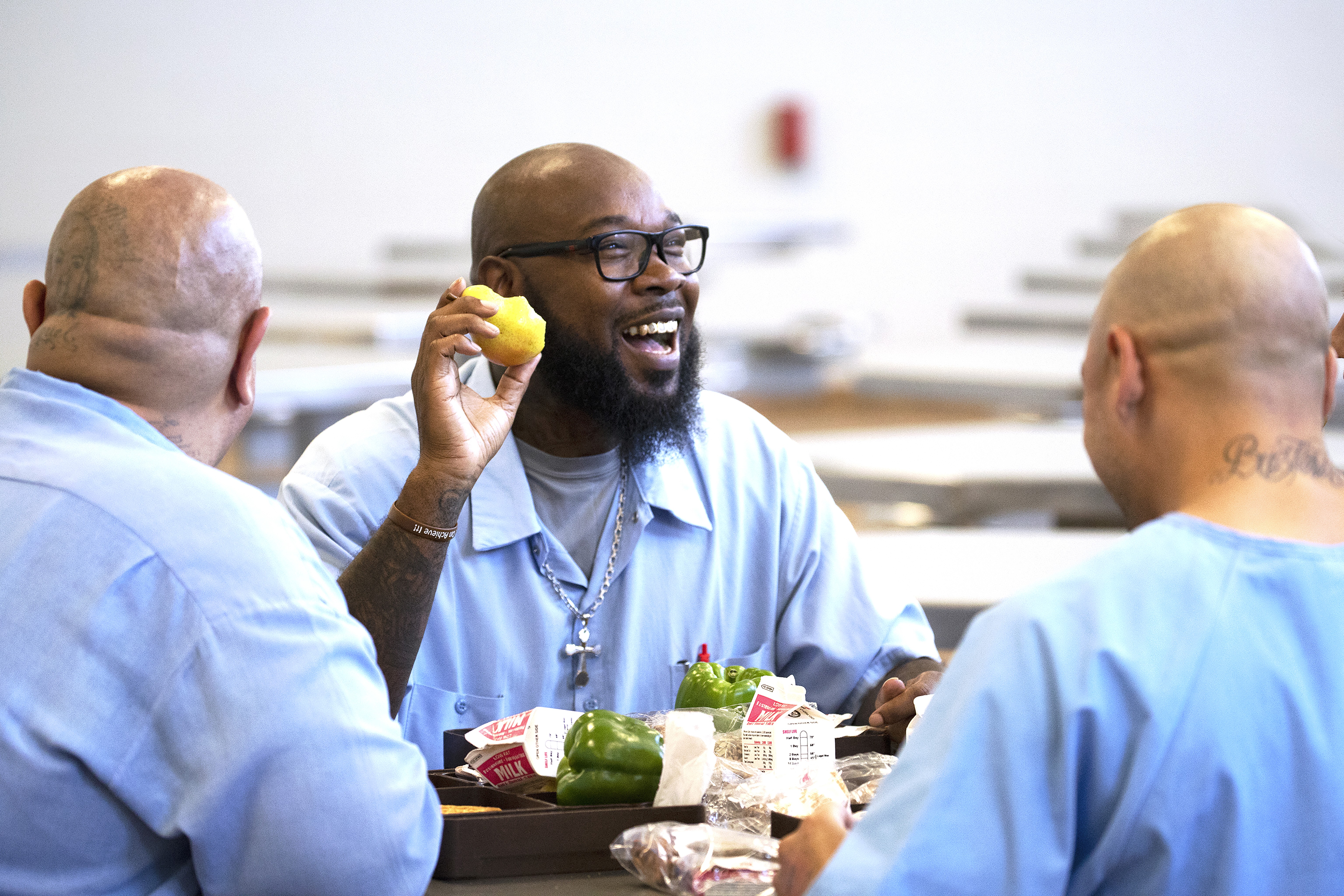
In 2024, we launched the Inside Impact Fund to push the boundaries of traditional philanthropy by directly funding projects created by and for people in prison.
In 2024, we launched the Inside Impact Fund to push the boundaries of traditional philanthropy by directly funding projects created by and for people in prison.
With decision-making led by a Council of formerly incarcerated leaders and advocates, the Inside Impact Fund makes small-scale grants ranging from $200 to $2,000 in response to proposals from incarcerated people in California. We’re not only moving resources from the free world into prison, we’re making visible the ideas, talents, energy, and accomplishments of people who are largely invisible within society at large.
With decision-making led by a Council of formerly incarcerated leaders and advocates, the Inside Impact Fund makes small-scale grants ranging from $200 to $2,000 in response to proposals from incarcerated people in California. We’re not only moving resources from the free world into prison, we’re making visible the ideas, talents, energy, and accomplishments of people who are largely invisible within society at large.
Through the Inside Impact Fund, incarcerated people can request supplies, tools, and other physical items or funding. In our first year of grant making, we provided support for everything from musical instruments to art supplies to technical equipment at 18 institutions across California, expanding opportunities for thousands of incarcerated people for less than $50,000 and proving a little bit can go a long way when we invest in the creativity of people behind bars.
Through the Inside Impact Fund, incarcerated people can request supplies, tools, and other physical items or funding. In our first year of grant making, we provided support for everything from musical instruments to art supplies to technical equipment at 18 institutions across California, expanding opportunities for thousands of incarcerated people for less than $50,000 and proving a little bit can go a long way when we invest in the creativity of people behind bars.
Research and Action Center
Research and Action Center
Impact-focused evaluations for boundary-breaking solutions.
Impact-focused evaluations for boundary-breaking solutions.
Impact-focused evaluations for boundary-breaking solutions.
32
32
32
research
projects
research
projects
research
projects
50+
50+
50+
community partners supported
community partners supported
community partners supported
How do we know what’s working?
We evaluate.
How do we know what’s working? We evaluate.
Impact Justice is a research and innovation center, which means our commitment to innovation is matched by our commitment to a data-driven approach. Our Research and Action Center is responsible for identifying knowledge gaps across the sector, pursuing original research and program evaluations to inform our strategy across all arms of our work, and supporting partners across the space in scaling their own impact.
Impact Justice is a research and innovation center, which means our commitment to innovation is matched by our commitment to a data-driven approach. Our Research and Action Center is responsible for identifying knowledge gaps across the sector, pursuing original research and program evaluations to inform our strategy across all arms of our work, and supporting partners across the space in scaling their own impact.
Our research engages impacted communities as key partners, not as subjects. Put another way: we do research with people, not on them. Since 2015, we’ve pursued research on everything from the needs of the juvenile population, to supporting the navigation of the closure of California’s Department of Juvenile Justice, to evaluating diversion programs, to better understanding the public health implications of justice involvement. With a commitment to rigorous and ethical approaches, our work is strengthening the case for better criminal justice solutions all across the country.
Our research engages impacted communities as key partners, not as subjects. Put another way: we do research with people, not on them. Since 2015, we’ve pursued research on everything from the needs of the juvenile population, to supporting the navigation of the closure of California’s Department of Juvenile Justice, to evaluating diversion programs, to better understanding the public health implications of justice involvement. With a commitment to rigorous and ethical approaches, our work is strengthening the case for better criminal justice solutions all across the country.