Forging Unlikely Partnerships
Forging Unlikely Partnerships
Forging Unlikely Partnerships
Sometimes, the biggest impact comes from unexpected places.
Sometimes, the biggest impact comes from unexpected places.
Sometimes, the biggest impact comes from unexpected places.
Growing Justice
Growing Justice
Growing Justice
Nurturing successful reentry journeys.
Nurturing successful reentry journeys.
Nurturing successful reentry journeys.
70
70
incarcerated and formerly incarcerated women to be trained annually*
incarcerated and formerly incarcerated women to be trained annually*
incarcerated and formerly incarcerated women to be trained annually*
70
45,000
45,000
45,000
pounds of fresh produce grown and served in South Carolina prisons by our vertical farm*
pounds of fresh produce grown and served in South Carolina prisons by our vertical farm*
pounds of fresh produce grown and served in South Carolina prisons by our vertical farm*
1,300+
1,300+
1,300+
fresh salads to be provided daily in South Carolina*
fresh salads to be provided daily in South Carolina*
fresh salads to be provided daily in South Carolina*
*Growing Justice will be operational beginning in late 2025 in South Carolina, and 2026 in California at CCWF and our office building in Oakland.
*Growing Justice will be operational beginning in late 2025 in South Carolina, and 2026 in California at CCWF and our office building in Oakland.
*Growing Justice will be operational beginning in late 2025 in South Carolina, and 2026 in California at CCWF and our office building in Oakland.
High-tech job training and reentry services to break the prison-to-poverty pipeline for incarcerated women.
High-tech job training and reentry services to break the prison-to-poverty pipeline for incarcerated women.
High-tech job training and reentry services to break the prison-to-poverty pipeline for incarcerated women.
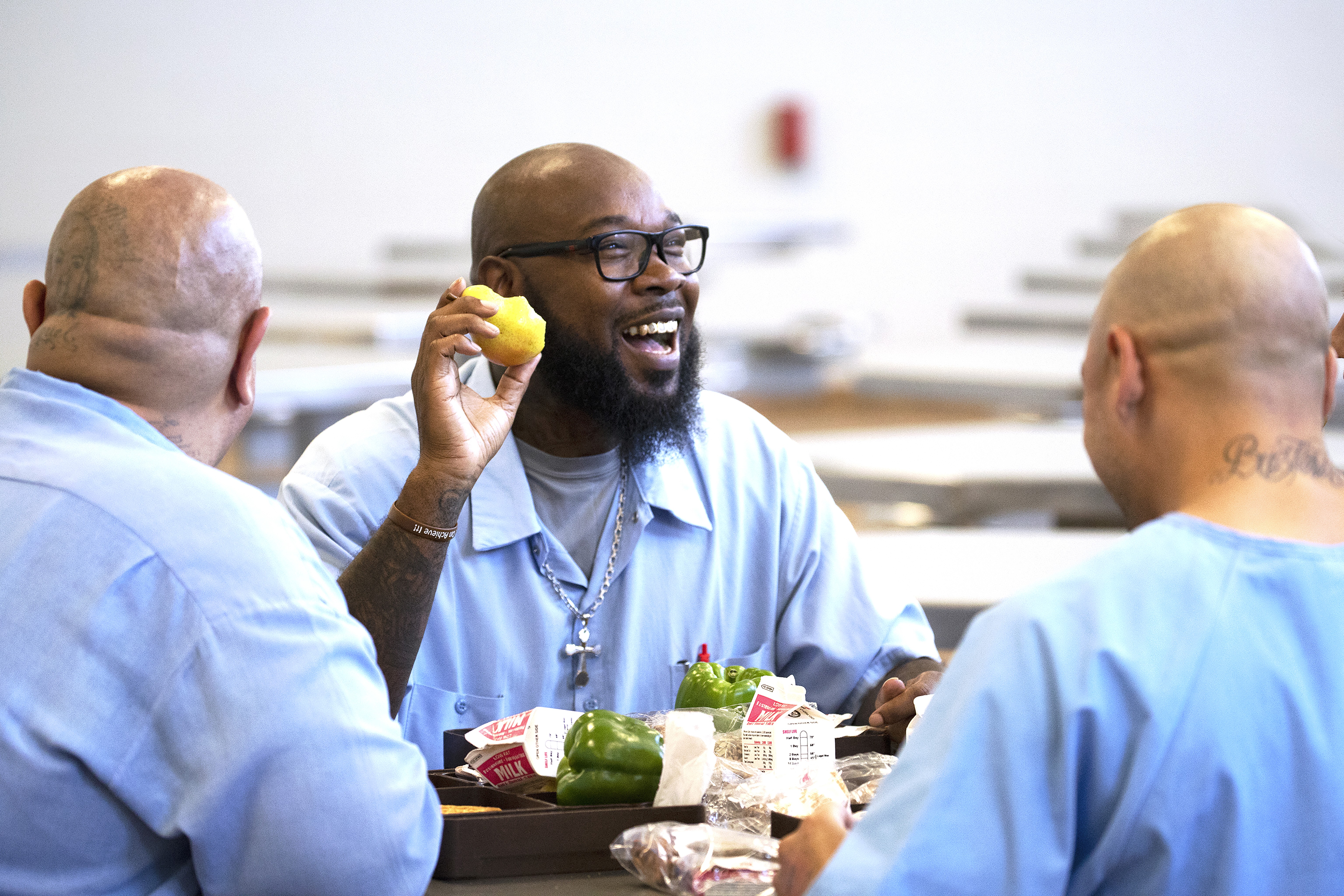
Job training in prison should prepare people to successfully enter the labor market and achieve financial stability after release, but typical prison labor environments only prepare people for low-wage, low-stability jobs. By providing high-tech job training and robust job placement and reentry services to incarcerated women from South Carolina to California, Growing Justice is paving the way for successful reentry.
Job training in prison should prepare people to successfully enter the labor market and achieve financial stability after release, but typical prison labor environments only prepare people for low-wage, low-stability jobs. By providing high-tech job training and robust job placement and reentry services to incarcerated women from South Carolina to California, Growing Justice is paving the way for successful reentry.

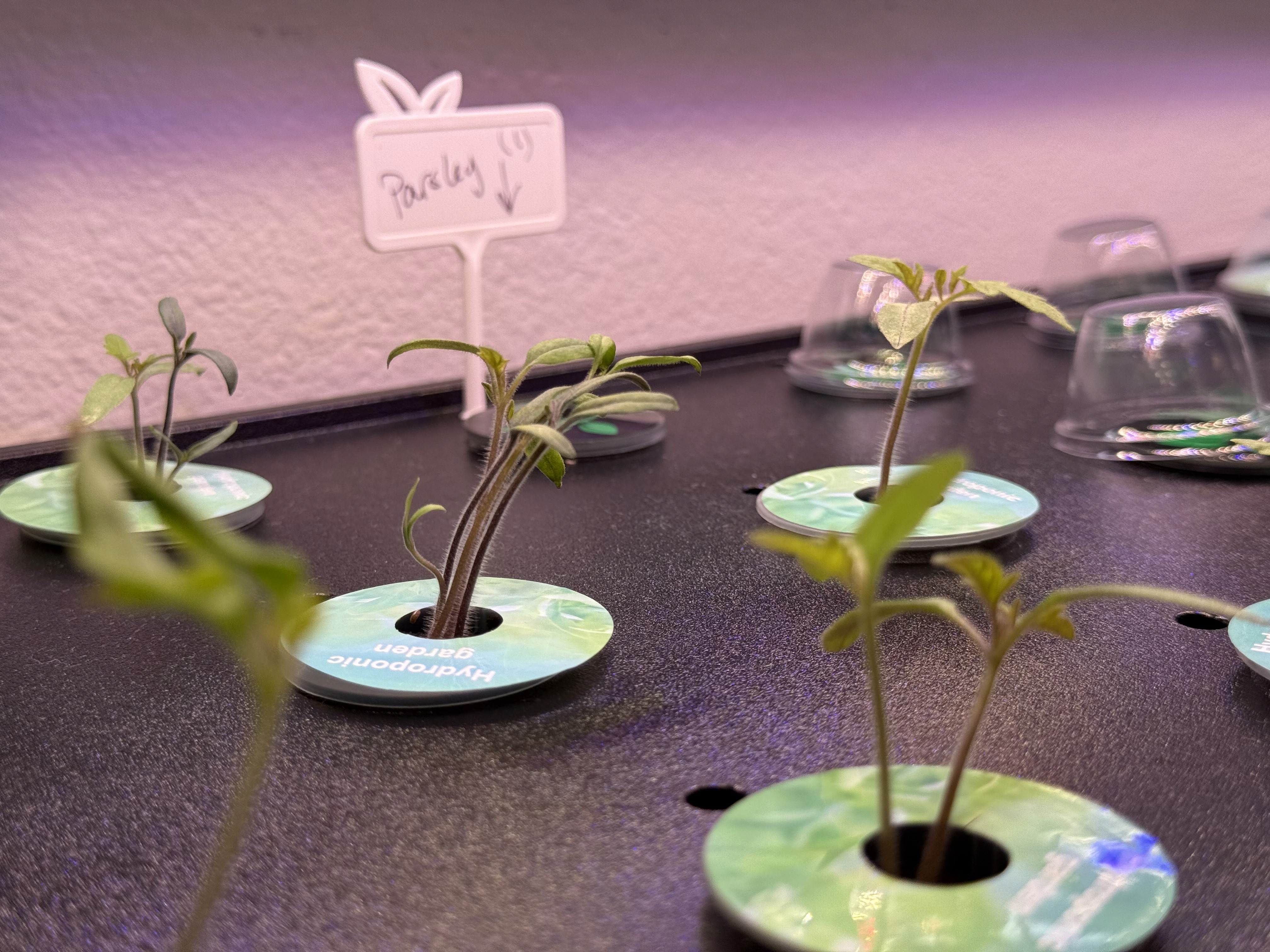
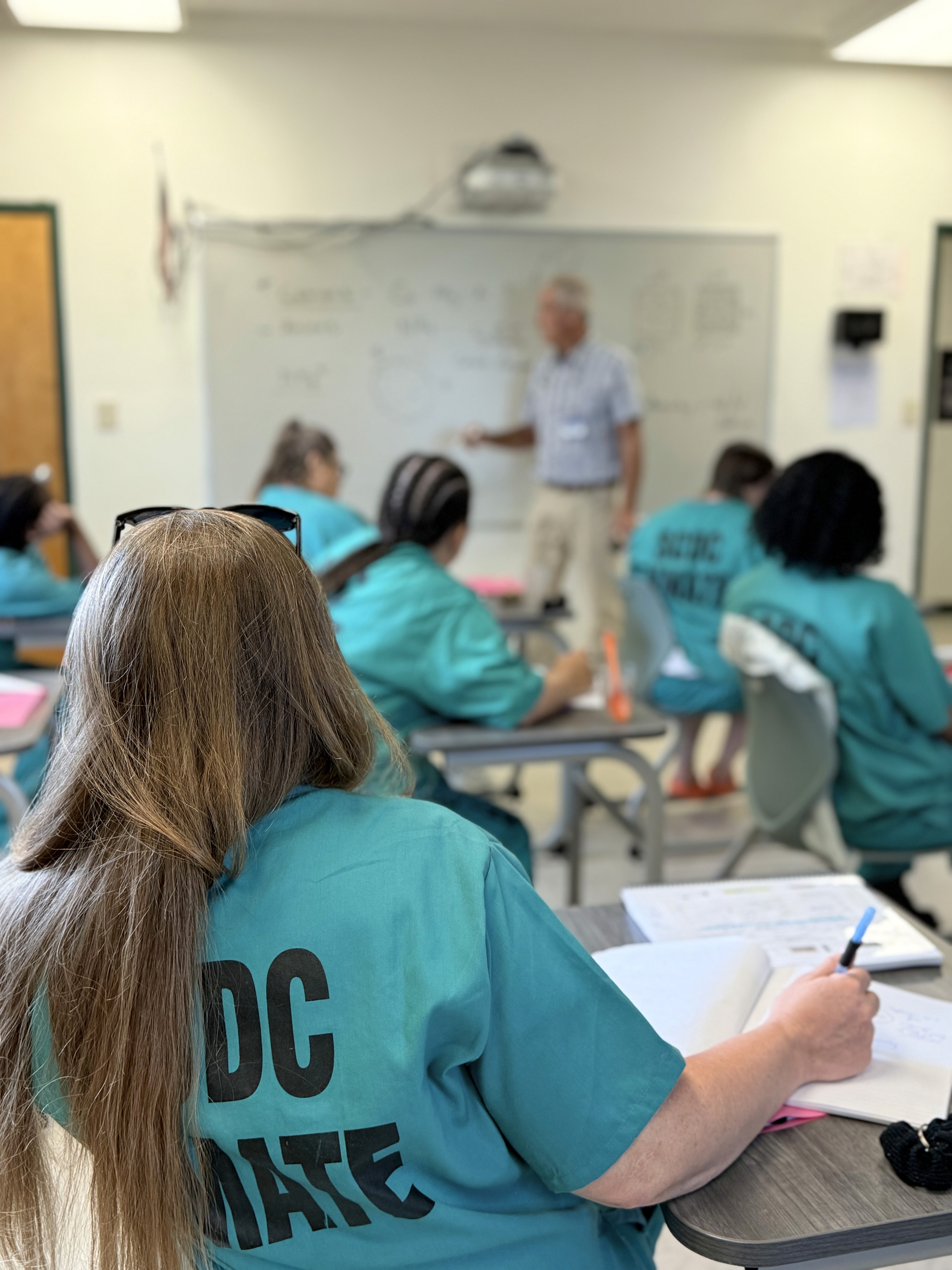
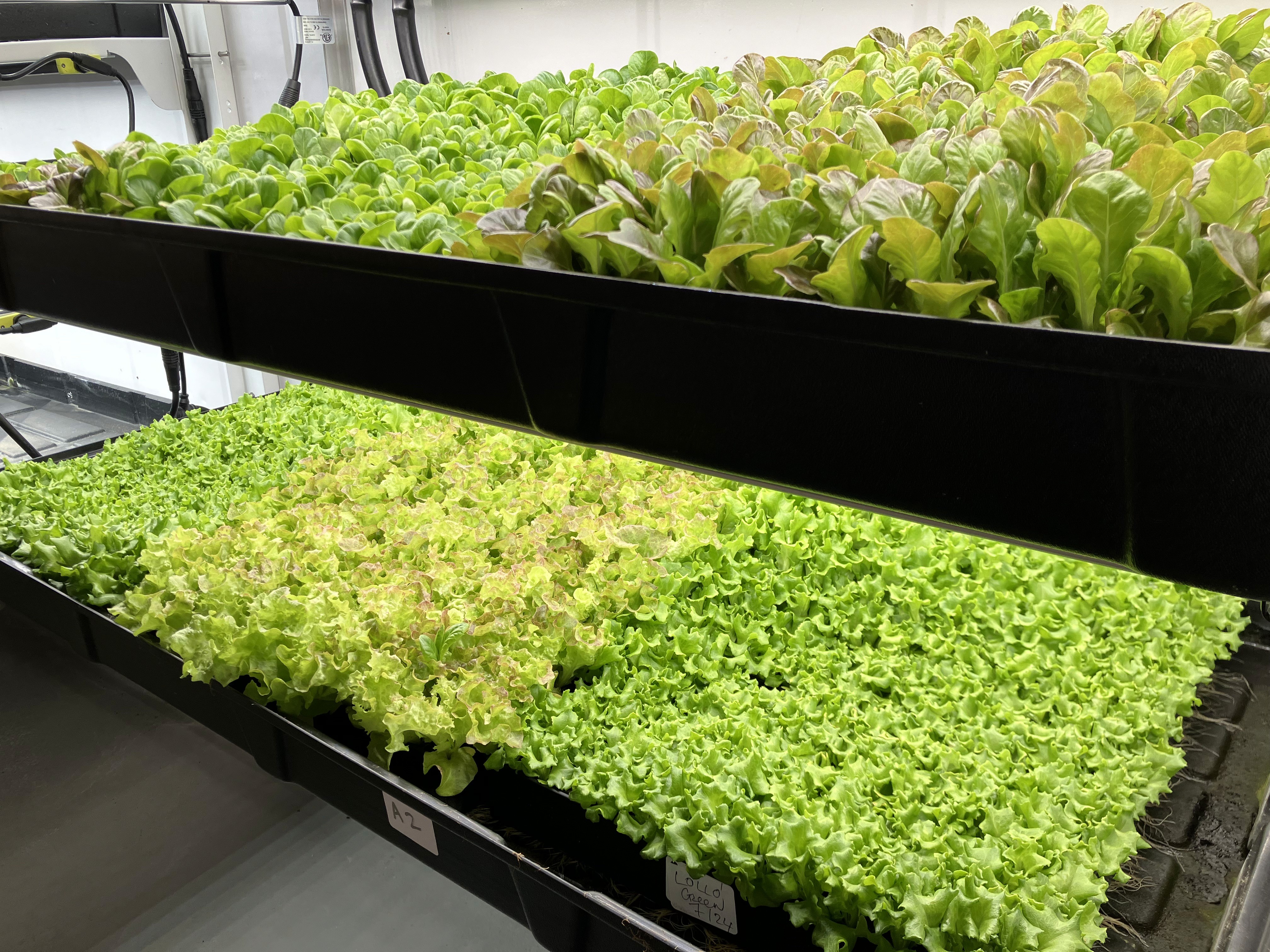
Earlier this year, we broke ground on our first-ever vertical farm behind bars at Camille Graham Correctional Institution in Columbia, South Carolina.
Earlier this year, we broke ground on our first-ever vertical farm behind bars at Camille Graham Correctional Institution in Columbia, South Carolina.
Earlier this year, we broke ground on our first-ever vertical farm behind bars at Camille Graham Correctional Institution in Columbia, South Carolina.
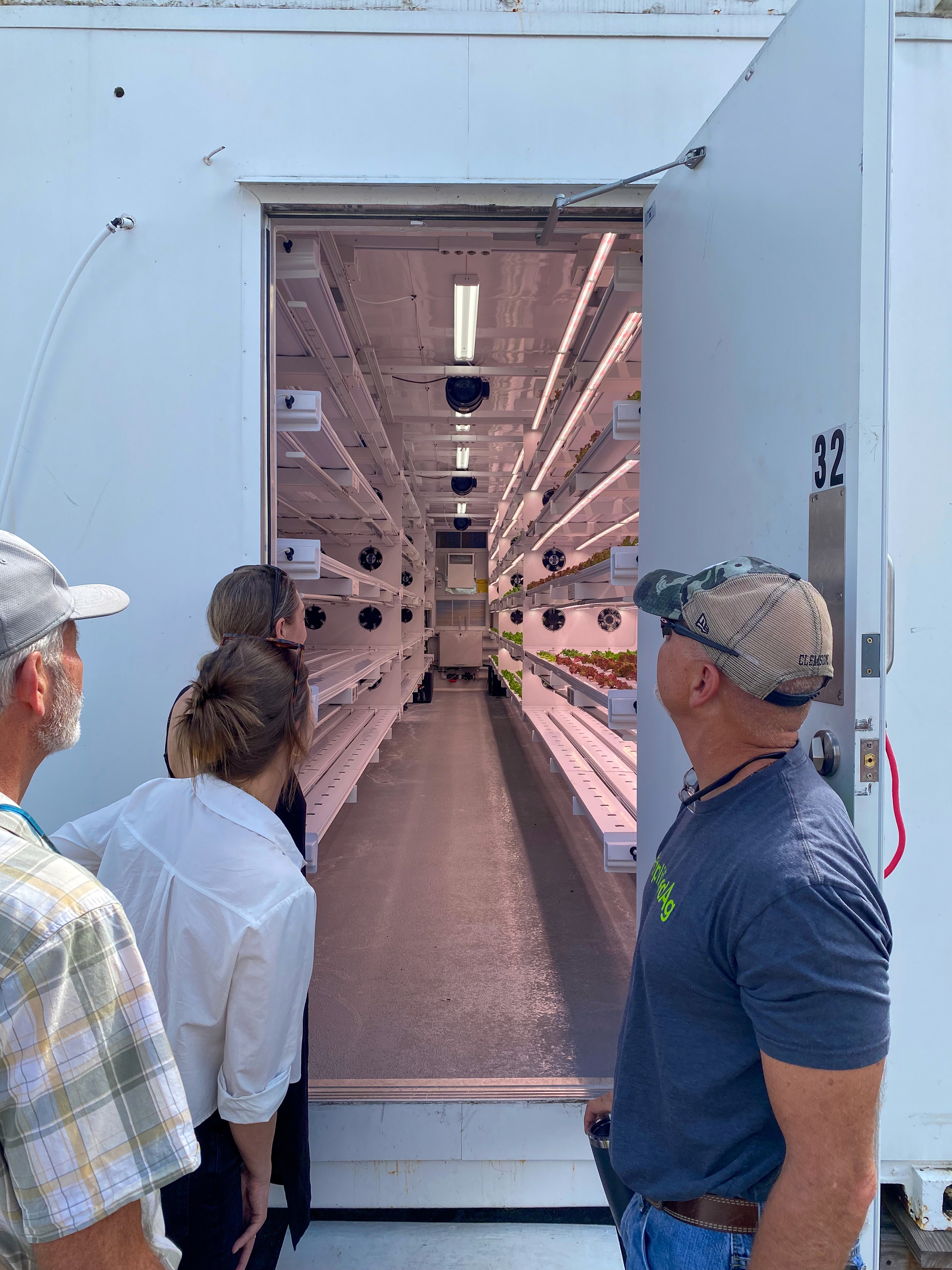
This training farm — in partnership with AmplifiedAg — will operate as a technical skill-building environment for incarcerated women while supplying the institution with roughly 45,000 pounds of fresh produce every year grown right on site.
This training farm — in partnership with AmplifiedAg — will operate as a technical skill-building environment for incarcerated women while supplying the institution with roughly 45,000 pounds of fresh produce every year grown right on site.
This training farm — in partnership with AmplifiedAg — will operate as a technical skill-building environment for incarcerated women while supplying the institution with roughly 45,000 pounds of fresh produce every year grown right on site.
With two additional farm sites in development in California — including one at our Oakland headquarters — we’re seeding opportunities for incarcerated people to develop transferable, adaptable skills that prime them to succeed in high-tech agricultural, food service, and other job markets in an increasingly competitive employment ecosystem; and providing wraparound reentry support as they do.
With two additional farm sites in development in California — including one at our Oakland headquarters — we’re seeding opportunities for incarcerated people to develop transferable, adaptable skills that prime them to succeed in high-tech agricultural, food service, and other job markets in an increasingly competitive employment ecosystem; and providing wraparound reentry support as they do.
With two additional farm sites in development in California — including one at our Oakland headquarters — we’re seeding opportunities for incarcerated people to develop transferable, adaptable skills that prime them to succeed in high-tech agricultural, food service, and other job markets in an increasingly competitive employment ecosystem; and providing wraparound reentry support as they do.
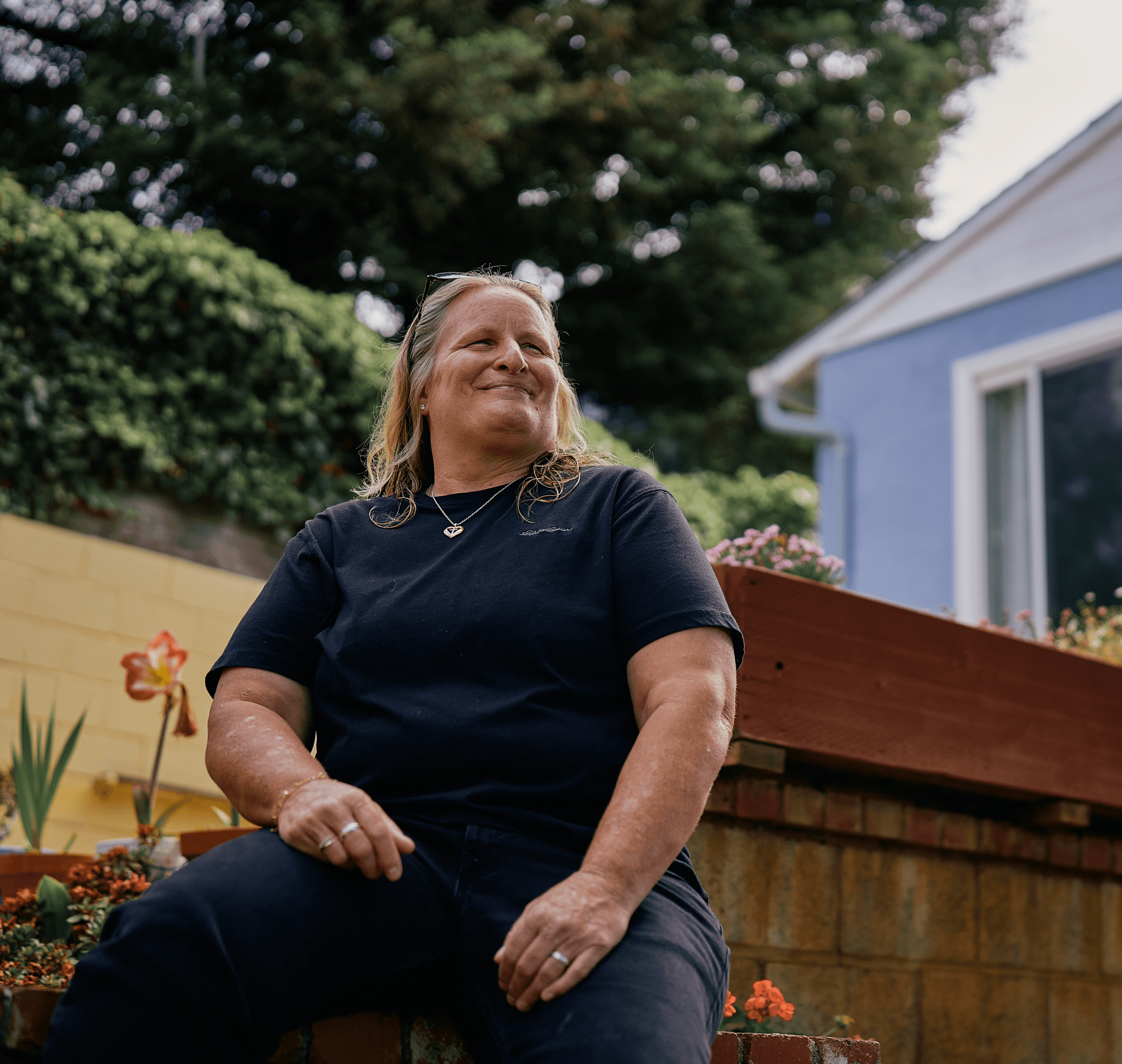
“I would have never got an opportunity to get this education had it not been for Growing Justice. So I’m taking this and running with it.”
“I would have never got an opportunity to get this education had it not been for Growing Justice. So I’m taking this and running with it.”
“I would have never got an opportunity to get this education had it not been for Growing Justice. So I’m taking this and running with it.”
– Brandy, Growing Justice participant
– Brandy, Growing Justice participant
– Brandy, Growing Justice participant
The PREA Resource Center
The PREA Resource Center
The PREA Resource Center
Eliminating sexual violence behind bars
Eliminating sexual violence behind bars
Eliminating sexual violence behind bars
3,600+
3,600+
3,600+
institutions
audited
institutions
audited
institutions
audited
9,000+
9,000+
9,000+
audits
supported
audits
supported
audits
supported
54
54
54
states and territories reached
states and territories reached
states and territories reached
Everyone has the right to live free of sexual violence, regardless of whether or not they are incarcerated.
Everyone has the right to live free of sexual violence, regardless of whether or not they are incarcerated.
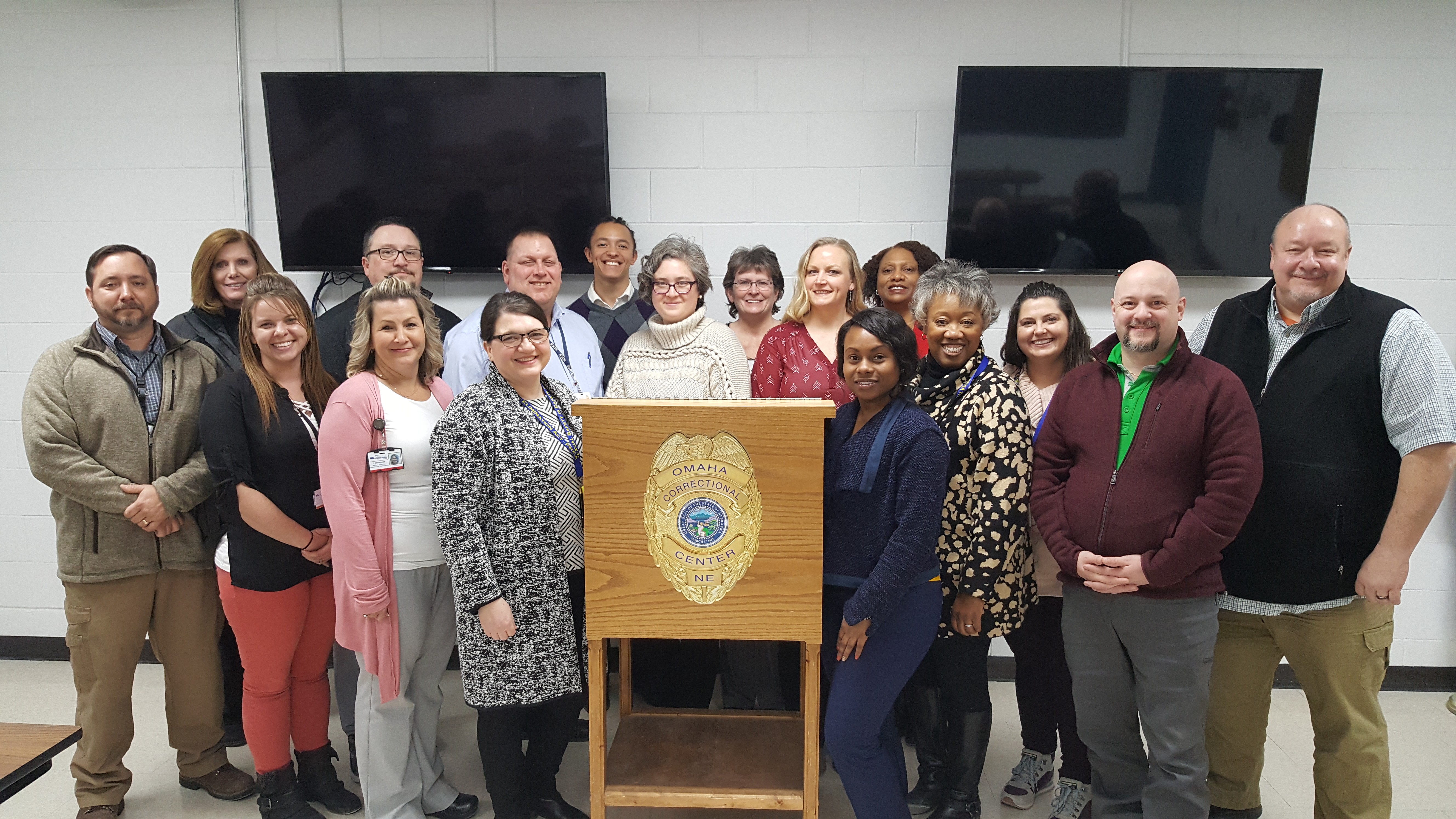
Today, half of all adults in the United States have had an incarcerated family member. For more than twenty years, the bipartisan Prison Rape Elimination Act (PREA), which led to the establishment of the PREA Resource Center, has protected countless mothers, fathers, children, and other loved ones from the threat of sexual violence behind bars.
Today, half of all adults in the United States have had an incarcerated family member. For more than twenty years, the bipartisan Prison Rape Elimination Act (PREA), which led to the establishment of the PREA Resource Center, has protected countless mothers, fathers, children, and other loved ones from the threat of sexual violence behind bars.
Since coming to Impact Justice in 2015, the PREA Resource Center — the nation’s leading work to end sexual abuse in confinement by supporting regular audits of confinement facilities to ensure compliance with the law — has worked to affirm sexual safety as a fundamental human right, educate people about the profound repercussions of abuse and fear of abuse, and most importantly, helps people all over the country to understand and embrace their own responsibility and capacity to help create safer communities.
Since coming to Impact Justice in 2015, the PREA Resource Center — the nation’s leading work to end sexual abuse in confinement by supporting regular audits of confinement facilities to ensure compliance with the law — has worked to affirm sexual safety as a fundamental human right, educate people about the profound repercussions of abuse and fear of abuse, and most importantly, helps people all over the country to understand and embrace their own responsibility and capacity to help create safer communities.
“The PREA Resource Center is the base that supports the successful fight against sexual abuse and sexual harassment in our prisons, jails, juvenile facilities, lockups, and community confinement centers. We can’t win without it.”
“The PREA Resource Center is the base that supports the successful fight against sexual abuse and sexual harassment in our prisons, jails, juvenile facilities, lockups, and community confinement centers. We can’t win without it.”
“The PREA Resource Center is the base that supports the successful fight against sexual abuse and sexual harassment in our prisons, jails, juvenile facilities, lockups, and community confinement centers. We can’t win without it.”
– David Haasenritter, DOJ Certified PREA Auditor and Regional Manager, Compliance Accreditation Managers Association (CAMA)
– David Haasenritter, DOJ Certified PREA Auditor and Regional Manager, Compliance Accreditation Managers Association (CAMA)
– David Haasenritter, DOJ Certified PREA Auditor and Regional Manager, Compliance Accreditation Managers Association (CAMA)
Building Justice
Building Justice
A better future exists; we only have to build it.
A better future exists; we only have to build it.
A better future exists; we only have to build it.
8
8
8
facilities visited globally
facilities visited globally
facilities visited globally
80+
80+
80+
criminal justice reform stakeholders’ travel and learning facilitated
criminal justice reform stakeholders’ travel and learning facilitated
criminal justice reform stakeholders’ travel and learning facilitated
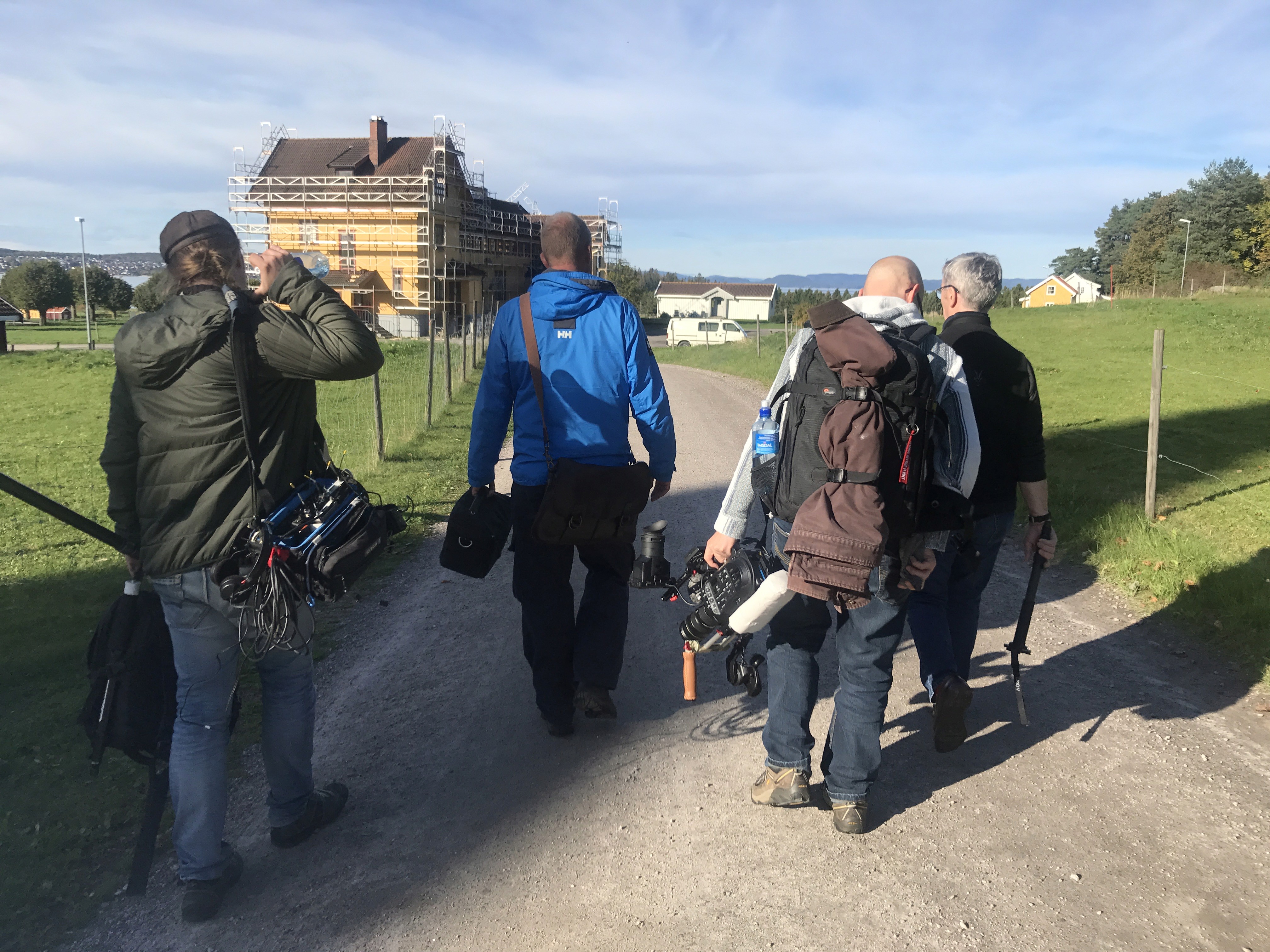
Across the world, other countries are taking a different approach to incarceration.
Could the United States?
Across the world, other countries are taking a different approach to incarceration.
Could the United States?

In 2016, Impact Justice partnered with the legendary architect Frank Gehry and nationally recognized author and activist Susan Burton to begin exploring the role of architecture in mass incarceration. Our work with students at leading architecture schools SCI-Arc and Yale envisioned a not-too-distant future in which America might incarcerate far fewer people, and in humane living environments, pushing the limits of what we currently believe to be possible in the United States.
In 2016, Impact Justice partnered with the legendary architect Frank Gehry and nationally recognized author and activist Susan Burton to begin exploring the role of architecture in mass incarceration. Our work with students at leading architecture schools SCI-Arc and Yale envisioned a not-too-distant future in which America might incarcerate far fewer people, and in humane living environments, pushing the limits of what we currently believe to be possible in the United States.
In 2016, Impact Justice partnered with the legendary architect Frank Gehry and nationally recognized author and activist Susan Burton to begin exploring the role of architecture in mass incarceration. Our work with students at leading architecture schools SCI-Arc and Yale envisioned a not-too-distant future in which America might incarcerate far fewer people, and in humane living environments, pushing the limits of what we currently believe to be possible in the United States.
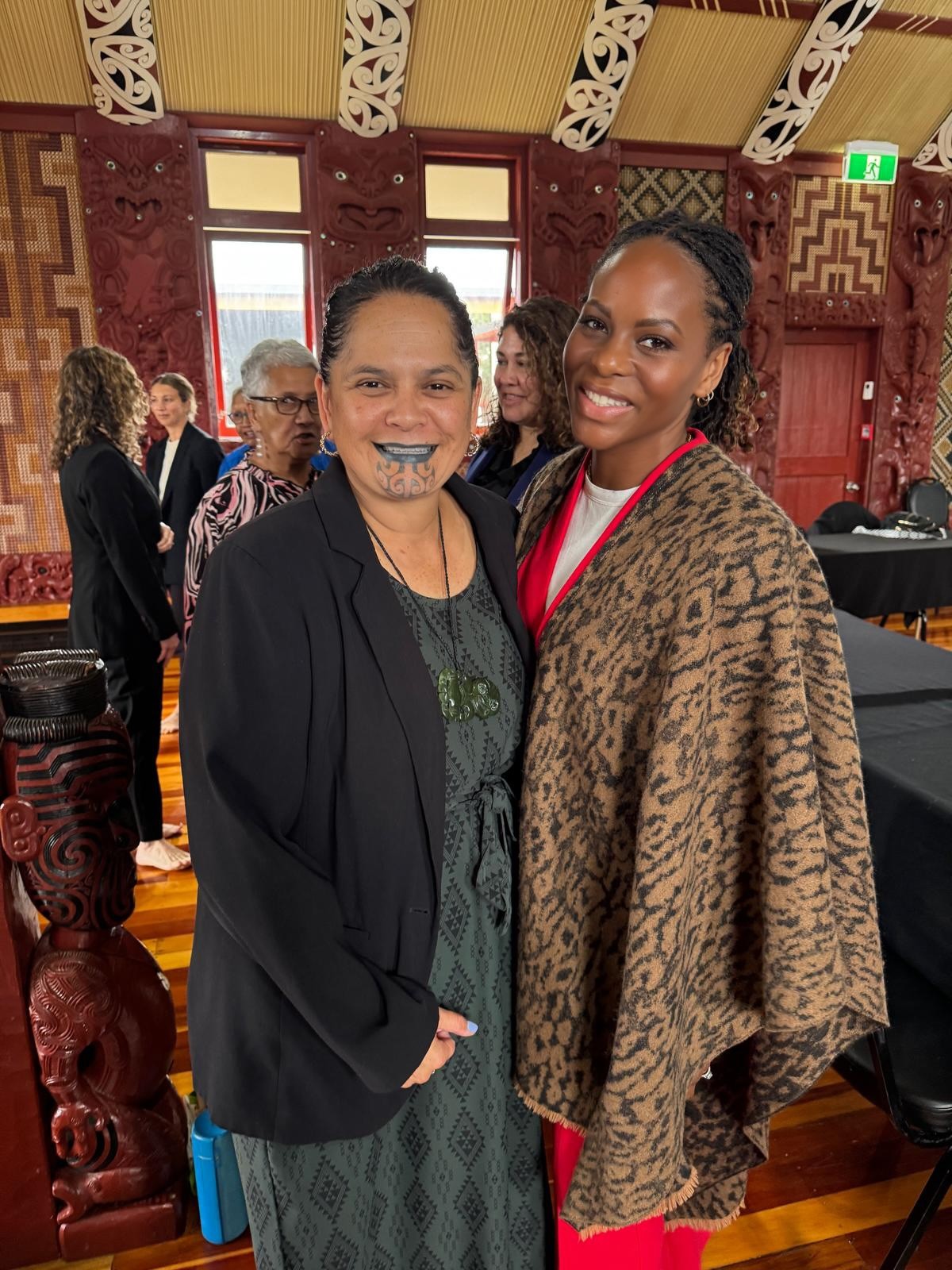
With an incarceration rate higher than almost any other nation in the world, the United States’ carceral system is an outlier on the global stage for all the wrong reasons. In recent years, our Building Justice work has expanded to lead diverse groups of Americans on trips to explore the adult system in Finland and Norway, and the youth system in New Zealand to better understand these countries’ “social welfare approach” to public safety, including the famous “Nordic Model” — and inspire more expansive and imaginative approaches here in the United States.
With an incarceration rate higher than almost any other nation in the world, the United States’ carceral system is an outlier on the global stage for all the wrong reasons. In recent years, our Building Justice work has expanded to lead diverse groups of Americans on trips to explore the adult system in Finland and Norway, and the youth system in New Zealand to better understand these countries’ “social welfare approach” to public safety, including the famous “Nordic Model” — and inspire more expansive and imaginative approaches here in the United States.
With an incarceration rate higher than almost any other nation in the world, the United States’ carceral system is an outlier on the global stage for all the wrong reasons. In recent years, our Building Justice work has expanded to lead diverse groups of Americans on trips to explore the adult system in Finland and Norway, and the youth system in New Zealand to better understand these countries’ “social welfare approach” to public safety, including the famous “Nordic Model” — and inspire more expansive and imaginative approaches here in the United States.
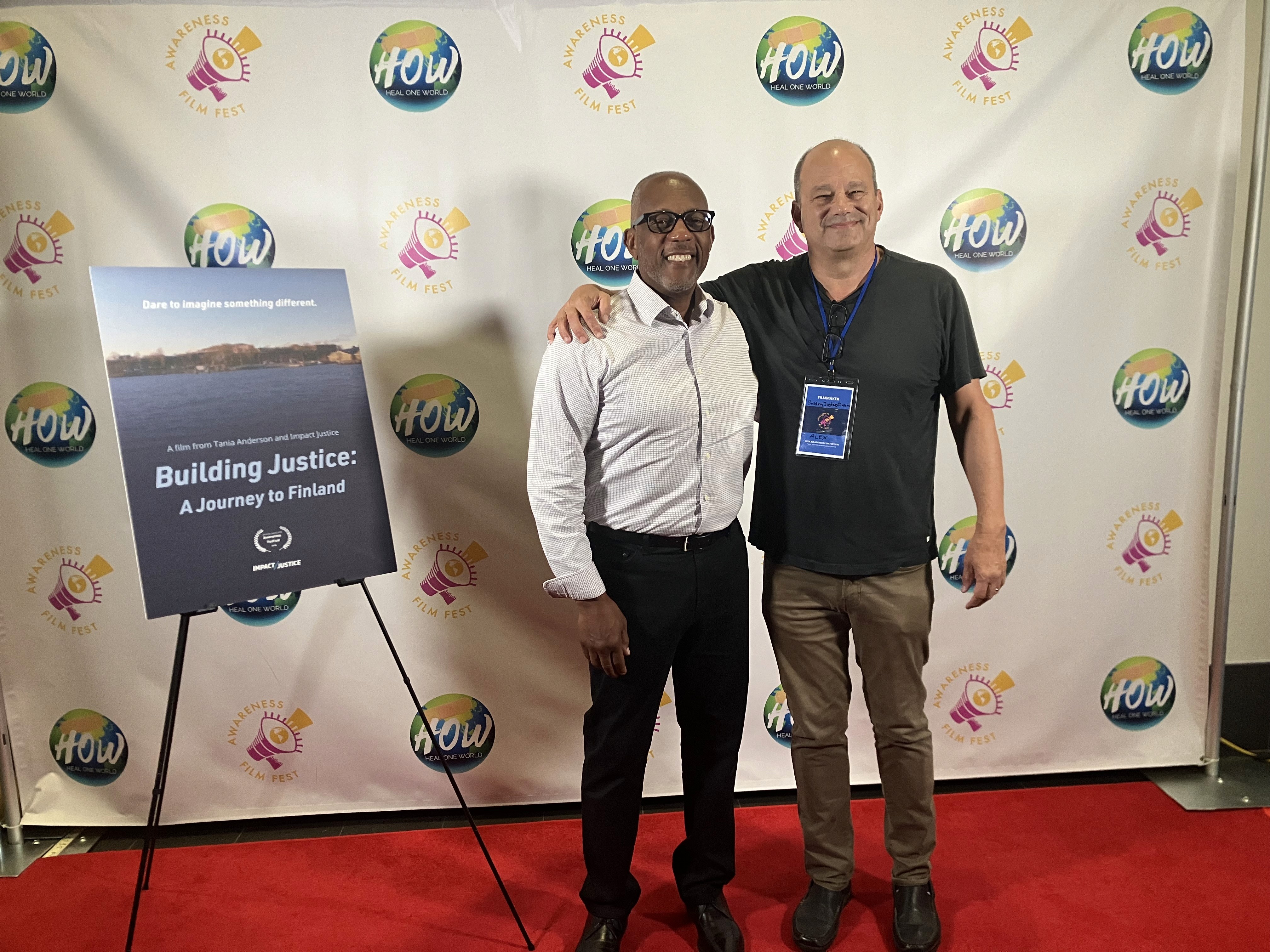
Our short film Building Justice: A Journey to Finland tracks our 2023 trip to Finland to understand how Nordic countries have reduced their reliance on incarceration by relying on housing and social supports, and maintaining prisons that look very different from those in the United States. An official selection of the 2024 Awareness Film Festival and the 2025 Social Justice Film Festival, Building Justice asks the same question our broader work does: what is truly possible here in the United States?
Our short film Building Justice: A Journey to Finland tracks our 2023 trip to Finland to understand how Nordic countries have reduced their reliance on incarceration by relying on housing and social supports, and maintaining prisons that look very different from those in the United States. An official selection of the 2024 Awareness Film Festival and the 2025 Social Justice Film Festival, Building Justice asks the same question our broader work does: what is truly possible here in the United States?
Our short film Building Justice: A Journey to Finland tracks our 2023 trip to Finland to understand how Nordic countries have reduced their reliance on incarceration by relying on housing and social supports, and maintaining prisons that look very different from those in the United States. An official selection of the 2024 Awareness Film Festival and the 2025 Social Justice Film Festival, Building Justice asks the same question our broader work does: what is truly possible here in the United States?